
Winter Warmth from Japan: Hojicha, Yuzu, Kairo and a Gauze Blanket
Winter in Japan comes with its own small toolkit: a roasted tea to drink at night, a citrus-scented cream for dry hands, a warmer you stick inside your coat, and a light blanket that holds heat. These five are easy to find on Amazon.com, and none of them cost more than a few dozen dollars except the blanket. Here is what each one is and why it earns a place in a cold-weather routine.
Ippodo Hojicha — Kyoto roasted tea for slow evenings

Ippodo has been making tea in Kyoto since 1717, and this hojicha is its roasted green tea: light, sweet and toasty, with none of the grassy bitterness of a fresh green tea. Roasting is also why hojicha is usually a gentler choice for the evening than matcha or sencha, since it tends to be lower in caffeine. Steep a spoonful of leaves in a pot of hot water and it fills the room with a warm, nutty smell. If you already know Ippodo for matcha, this is the everyday cup from the same house.
ITO EN Oi Ocha Hojicha Powder — the no-teapot version

If a teapot feels like too much on a cold morning, this is the shortcut. Each stick is roasted hojicha in powder form: tear it open, stir it into hot water, and it dissolves, so there are no leaves to strain and nothing to wash afterward. Because it is a powder, you can also whisk it into warm milk for a quick hojicha latte. A box of 100 sticks lasts a long time, which makes it a better fit for your own cupboard than for a gift.
Daily Aroma Japan Yuzu Hand Cream — a winter citrus from Kochi

Yuzu is a Japanese citrus, and in Japan it is tied to winter: people float whole yuzu in the bath on the winter solstice. Kochi Prefecture is one of its main growing regions, and this 75g hand cream is made with yuzu from there (the listing says Made in Japan). Hands dry out first when the heating goes on, and a bright citrus scent makes the chore of moisturizing a little more pleasant. At around $15, it is also an easy small gift or stocking stuffer.
Hokkairo Stick-On Warmers — the Japanese winter staple, on your clothes

Disposable warmers called kairo are a normal part of a Japanese winter, and the stick-on type is the version people wear. Peel off the backing, press it onto the inside of a shirt or a sweater, and it warms up as it meets the air, with no battery or charging. The large size is meant for the body rather than the hands, so it is useful for a long walk, a ski day, or sitting through a cold outdoor game. This listing shows Iris Ohyama as the brand, and a 30-pack is enough to last through a season.
HIORIE 8-Layer Gauze Blanket — Imabari cotton that gets softer
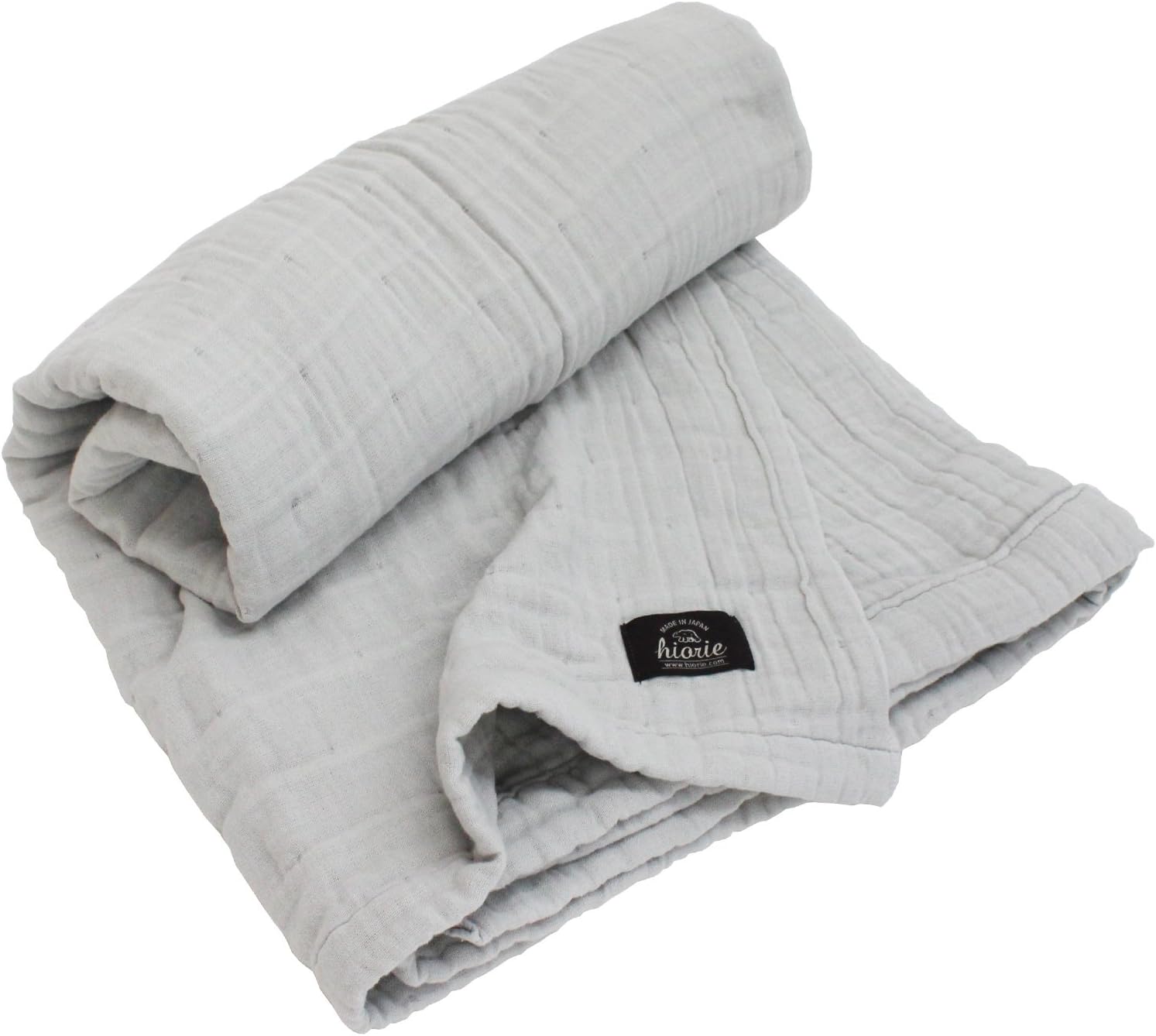
Imabari, on the island of Shikoku, is Japan's best-known towel-making region, and the listing gives Japan (Imabari Towel) as this blanket's country of origin. Eight thin layers of cotton gauze are stitched together, so air gets trapped between them and the blanket feels warm without being heavy. Gauze blankets are a common bedding choice in Japan because they are light enough to use almost year-round and can go in the washing machine. At about $117 it is the most expensive of the five, but it is the one you will use every night.
What ties these together
Four of the five are small, everyday items, and the blanket is the one bigger purchase. If you only try one, the Ippodo hojicha is the lowest-risk start: a good cup of tea needs nothing but a kettle. The kairo and the yuzu cream are the cheapest ways to see how Japanese winter habits work in practice.
More Japan-sourced picks, verified available on Amazon.com, are on the Japan Finds page.